
Alcoholic Neuropathy: Symptoms, Stages & Treatment Options
Emily’s mission is to inspire curiosity and promote scientific literacy, believing that understanding the world around us is crucial for informed decision-making and progress. Take the first step toward addiction treatment by contacting us today. AddictionResource.net, and its parent company Recovery Guide LLC, is not a treatment provider and does not offer medical advice or clinical services. We receive compensation from Treatment X in exchange for ad placement. This advertisement is clearly marked and is separate from our editorial content. When you call the number listed on this ad, your call will be answered by Treatment X, a licensed addiction treatment provider and paid advertiser on AddictionResource.net.
Long-term Management and Follow-up
Symptoms of alcohol-induced neuropathy can vary widely, but typically impact the lower half of your body, especially your feet and legs. However, alcohol-induced neuropathy can get worse and spread to parts of your upper body, too. Regular check-ups and nerve function tests help track progress accurately. Begin your journey to recovery with personalized drug & alcohol rehab—verify your insurance coverage in under a minute. Plus, we’re always introducing new features to optimize your in-app experience. We recently launched our in-app chatbot, Melody, powered by the world’s most powerful AI technology.
Rehabilitation programs often incorporate physical and occupational therapy to help patients regain strength, improve balance, and enhance their ability to perform daily activities. Physical therapy may include gait and balance training, range of motion exercises, and strength training. Occupational therapy focuses on training patients to perform activities of alcohol neuropathy stages daily living using adaptive equipment if necessary. While some symptoms do improve relatively quickly, others, especially in cases of severe or long-standing neuropathy, may only partially recover or may be permanent. For instance, loss of deep tendon reflexes and some degree of sensory loss in the extremities may persist even after prolonged abstinence and treatment.
How Do You Manage Symptoms, Day by Day?
Try the Reveri hypnosis app to manage pain, rewire habits, and take control of your health today. These symptoms are progressive and can severely impact daily life if not addressed early. Reframe supports you in reducing alcohol consumption and enhancing your well-being. Remember that recovery is possible, and plenty of support is available. Keep moving forward, one day at a time, and appreciate the hard work you put in along the way. Neuropathy support groups offer a community of individuals who understand the challenges and triumphs of living with this condition.
How to prevent alcoholic neuropathy?
Alcohol being a main contributing factor in alcoholic neuropathy, it is important to control alcohol consumption. Controlling blood glucose levels is equally essential to lower the risk. Any conditions, which can affect the nerves must be treated in time to avoid further nerve damage and increased risk of alcoholic neuropathy. Educate patients to maintain healthy lifestyle, eat healthy food with regular exercise, to follow prescribed medications and appropriate measures for reduced pain or sensations. To maximize your recovery and management of alcoholic neuropathy, it is essential to make lifestyle modifications and seek support. Maintaining a balanced diet, including vitamin supplements, is crucial in addressing nutritional deficiencies and promoting nerve health.
Alcoholic neuropathy is a type of peripheral neuropathy caused by chronic alcohol abuse. The primary treatment for alcoholic neuropathy is to stop or significantly reduce alcohol consumption. This often requires professional help, such as inpatient or outpatient rehabilitation, medication, support groups, and psychotherapy1. While abstaining from alcohol can help improve symptoms and prevent further damage, some alcohol-induced nerve damage may be permanent2. Alcoholic neuropathy occurs when excessive alcohol consumption damages the peripheral nerves, leading to various sensory and motor symptoms.
- Recognizing the symptoms and understanding the potential link to alcohol consumption is crucial for early intervention.
- Focusing on foods that fight inflammation and avoiding ones that promote it allows you to take a step toward recovery from peripheral neuropathy.
- This is also something that can have a long-term psychological impact.
- However, it is important to ensure socks are tight, as poor circulation can worsen neuropathy symptoms.
Yes, some nerve damage may be permanent, leading to lingering symptoms like numbness, pain, or muscle weakness, even after stopping alcohol consumption. Treatment effectiveness Twelve-step program varies widely, influenced by factors like the duration of alcohol abuse, overall health, and adherence to therapy. Patients must manage expectations and commit to sustained lifestyle changes for meaningful improvement.
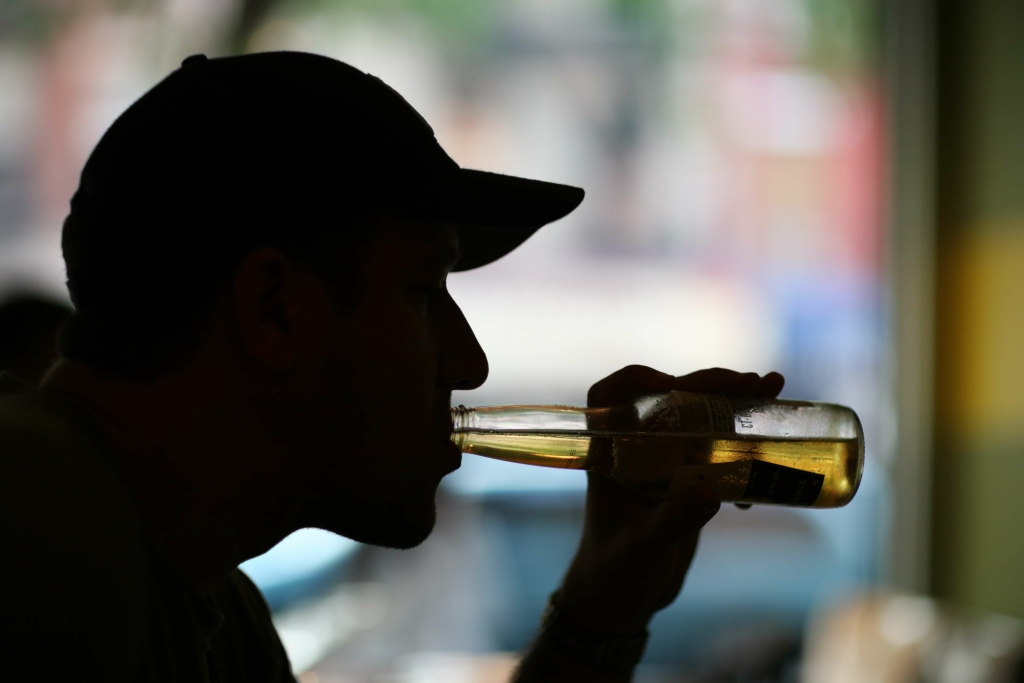
The symptoms of alcoholic neuropathy can significantly impair an individual’s quality of life4. Water and beverages rich in vitamins, particularly B vitamins (e.g., fortified juices), can support nerve health. Avoiding alcoholic beverages is crucial for managing and preventing further neuropathy progression. There is no exact threshold, but heavy, prolonged alcohol use over many years significantly increases the risk of developing alcoholic peripheral neuropathy. The risk depends on factors such as individual tolerance, overall health, and duration of alcohol intake.
Limiting your alcohol consumption not only lessens the risk of peripheral neuropathy but also improves your overall health. If you struggle with alcohol addiction, consider seeking professional help, such as rehab or therapy, and involving your social support network to overcome this problem. The recovery time for alcoholic neuropathy varies for each individual, as it depends on factors such as the severity of nerve damage and commitment to change in lifestyle. With consistent abstinence from alcohol and treatment, some improvement in symptoms can be observed https://ecosoberhouse.com/ within a few weeks. However, it could take several months or even years for significant recovery. Another study investigated the prevalence of autonomic and peripheral neuropathy among patients with alcoholism.
Alcoholic Neuropathy: Can Alcohol Nerve Damage Be Cured?
This damage prevents the nerves from communicating information from one body area to another. Studies show that individuals who quit alcohol within the first 2–3 years of neuropathy onset have a 60–70% chance of significant symptom reduction. In contrast, those who continue drinking or delay treatment often experience irreversible damage, with only 20–30% achieving partial recovery. Regular, low-impact exercise, such as walking or swimming, improves circulation and nerve function. Physical therapy, including balance exercises and assistive devices, addresses mobility issues.
Vertava Health Locations
When alcohol is removed from the body, the toxic effects on nerves cease, and the healing process begins. However, stopping alcohol use does not instantly reverse symptoms; it marks the starting point for gradual recovery. No, alcoholic neuropathy is not considered fully curable, but it is manageable, and in mild to moderate cases, partial reversal of symptoms is possible. Recovery depends heavily on early diagnosis, complete alcohol abstinence, and nutritional rehabilitation. This shows the critical need for public awareness and preventive strategies to reduce the incidence of long-term neurological complications from alcohol misuse. The extent of nerve damage, duration of alcohol abuse, overall health, and adherence to treatment (including nutrition and lifestyle changes) influence recovery potential.

Long-Term Effects Of Alcoholic Neuropathy

Nicotine constricts blood vessels, while carbon monoxide in cigarette smoke impairs hemoglobin’s ability to carry oxygen. For individuals over 40, quitting smoking can improve circulation within 2–3 weeks, aiding nerve regeneration. Use nicotine replacement therapy (e.g., patches delivering 21 mg/day for heavy smokers) or medications like varenicline, but consult a doctor to tailor the approach to your health profile.
Leave a Reply